
What To Do After Sanding Before Painting

Sandpaper Cheat Sheet Delyla Design Blog Learn Woodworking Wood Diy Woodworking

How To Sand Furniture Before Painting The Quick And Easy Way In 2021 Diy Flooring Refinishing Furniture Diy Furniture Projects
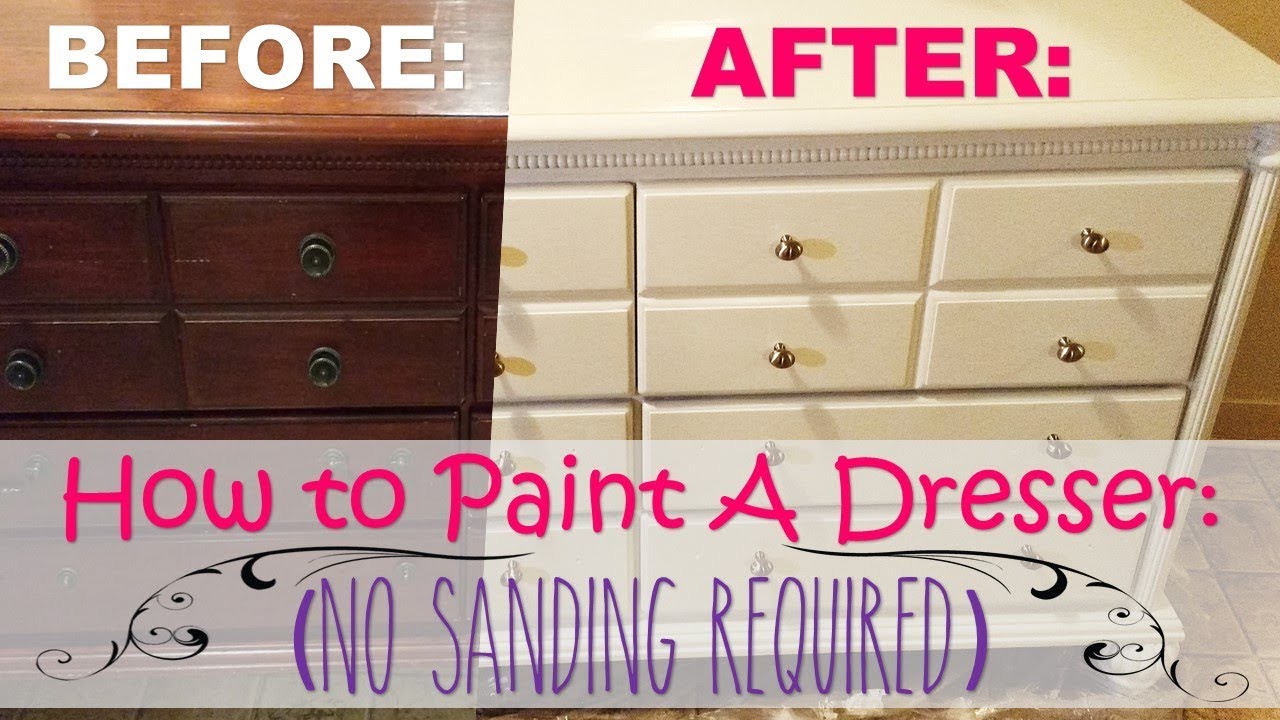
How To Repaint Furniture No Sanding Req Step By Step Instructions Youtube Repainting Furniture Painting Old Furniture Refinishing Furniture Diy

Chalkpaint1 How To 7 Easy Steps To Refinishing Old Furniture Without Sanding Using Eco Frie Diy Furniture Redo Painting Wood Furniture Antiquing Furniture Diy

Dust Free Sanding Before Painting Will Allow You To Prep Your Walls Or Surfaces Quickly With L Dust Free Sanding Diy Home Improvement Home Improvement Projects

Diy Table To Ottoman And How To Paint Furniture Without Sanding Easy Peasy Pleasy Painting Wood Furniture Painted Furniture Redo Furniture

When sanding between polyurethane coats on wooden floors you can use 320-grit sandpaper wrapped around a hard block for the best result.
What to do after sanding before painting. Therefore you are giving the surface some tooth as they say so the new paint will adhere. Wrapping it all up using a sanding block and 220 grit sandpaper after painting walls will help restore that smooth finish you were looking for. In this photo you can actually see the floors before they were sanded after they were sanded and after they were stained and finished.
You can simply use a razor blade to remove the unwanted paint add primer to the area and re-sand before painting. Smoothing walls before painting is necessary for surfaces previously. Iron substrates or alloys that contain iron will rust in short order.
Sanding will create a smooth surface that will help your paint to look great. There are a few different ways you can remove this residue but through trial and error the most effective way for me has been through the use of mineral spirits and steel wool. When prepping a wall for painting we generally recommend a softer sandpaper to avoid damaging the wall.
After stripping paint from wood you are left with leftover stripper residue that needs to be cleaned up before you can move onto any staining or painting. But if you want to paint or varnish your interior furniture after using the filler you will definitely want to get a nice smooth finish and using a higher grit count would make the sense. Sand the door.
If the existing surface is shiny the paint wont have anything to grab onto. After the second coat you can sand with 400-grit sandpaper. However before painting it you might need to degloss it.
They are very handy if you need to de-grease anything. Surface Cleaning After Blasting. While blowing the dust off with compressed air removes the dust it also mixes it into the air so some of it can settle back onto the surface and so you can breath it.

How To Paint Kitchen Cabinets Without Sanding Or Priming Step By Step Home Diy Painting Kitchen Cabinets Painting Cabinets

Looking Into Painting Wood Trim White This Step By Step Tutorial On How To Paint Wood Trim Without Stained Wood Trim Painting Wood Trim Painting Wood Paneling

Paint Your Furniture With No Sanding Diy Furniture Home Crafts Painted Furniture

Learn How To Prepare Your Furniture For Paint Process For A Long Lasting Finish Meg De Diy Furniture Restoration How To Clean Furniture Refinishing Furniture

Yes You Can Use Chalk Paint Over Stain Chalk Paint Furniture Diy Painting Furniture Diy Chalk Paint Furniture

Pin By Jocelyn Cassano On Diy Furniture Repainting Furniture Painting Old Furniture Old Furniture

Wow No Sanding No Stripping This Is Amazing How To Use Gel Stain And Update Old Cabinets Staining Furniture Painting Furniture Diy Staining Cabinets

Pin On Home

Before And After Outdated Peeling Leather Ottoman Sanded And Painted With Chalk Paint Then Wax Paste Painting Leather Couch Repair Leather Couch Repair
The How To Crew How To Paint Laminate Furniture Without Sanding Painting Laminate Furniture Laminate Furniture Painting Laminate

How To Paint Over Varnish Polyurethane Seals And More Without Sanding Painting Over Stained Wood Painting Wood Paneling Staining Wood

Painted My Furniture Without Sanding With Annie Sloan Paint Wax Sanding Furniture Spray Paint Furniture Without Sanding Spray Paint Furniture

Always Strip And Sand Furniture Before Painting Prepwork Painted Sideboard Blue Coffee Tables Painting
