
How To Use A Thin Parting Tool
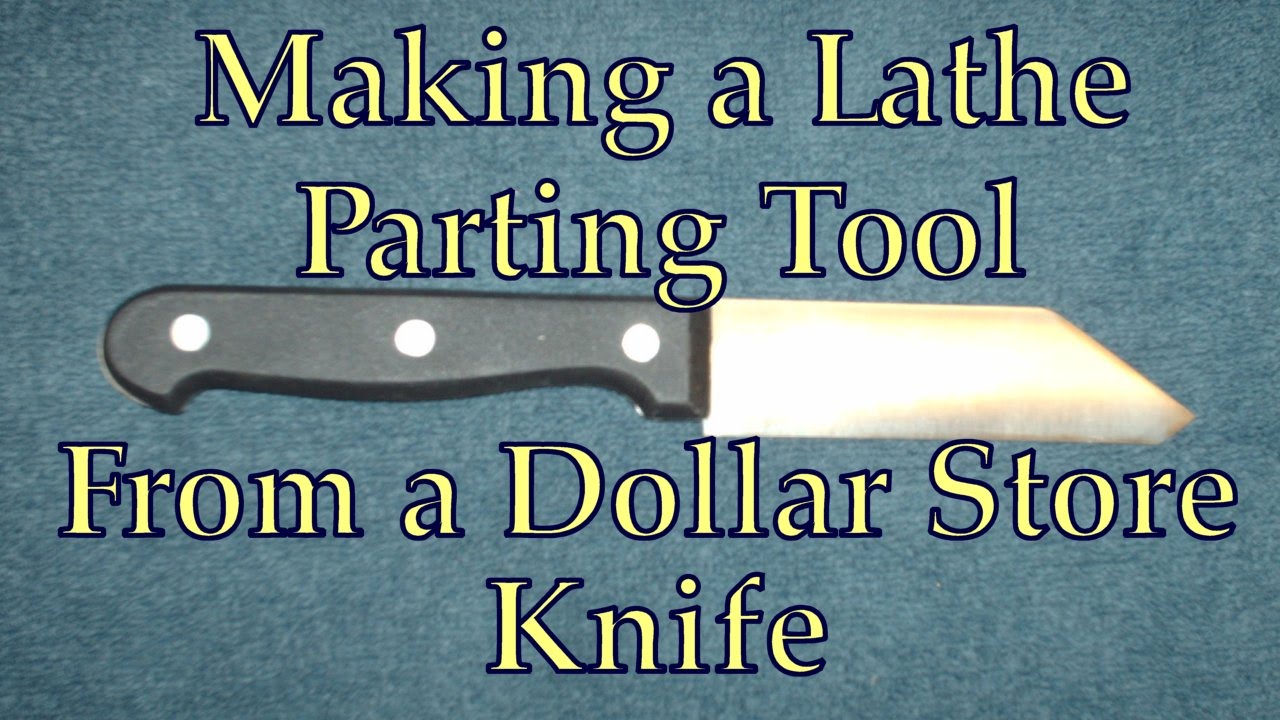
Parting Tool From A Dollar Store Knife Youtube Wood Turning Projects Lathe Tools Lathe

Mini Machining Mayhem Metal Lathe Projects Lathe Metal Lathe

Wenge With A Very Thin Parting Tool Channel Jut At The Junction Of The Top Scallop And The Side Base I Rubbed Gilding Paste W Im Awesome Wood Turning Too Thin

Henry Taylor Narrow Parting Tool Hand Tools Craft Supplies Usa Craft Supplies Usa Woodturning Tools Craft Supplies

Mini Machining Mayhem Machine Shop Tools Lathe

Robert Sorby M2 Hss Diamond Parting Tool Hand Tools Craft Supplies Usa Craft Supplies Usa Wood Turning Woodturning Tools
Geometries including lead angles top rakes and custom forms can be provided.
How to use a thin parting tool. I find a credit-card-sized hone to be hard to control on the narrow surface of a thin parting tool. Possesses a fine 2mm cutting edge. Parting or cutoff is the operation of cutting a piece off by slicing a groove all the way through it with a special parting tool or cut off tool.
Use one hand to hold the parting tool. As you do this practice looking at the horizon rather than directly at the cutting edge. A smaller version of the full size diamond parting tool the special profile of this tool reduces the risk of binding in the cut.
Double Angle Sorby Thin Parting Tool I shaped the end of the blade like the Sorby Parting Tool double angle look. Designed to give the cleanest cuts with a minimum of waste this Thin Kerf Parting Tool features a 1-14 blade width that eliminates the flexing and twisting associated with thin blades. How to Sharpen a Parting Tool.
This is using the tool as a negative rake scraper. Using My New Parting Tool. Inserts can also be used for parting and face grooving.
While the ultra-thin blade is only 116 wide approx the 1-14 blade height provides rigidity and stability when cutting. On a practice spindle use a parting tool to cut two grooves near its center about 38 apart and 516 deep. Then use the BP tool to round the sides of the center ring to form a bead.
I also made my own from a used commercial hacksaw blade by grinding the teeth off the blade which removes the set and then grinding it to parting tool profile and attaching a handle. I then cut the end of the blade off to square it off and I cut and ground down the teeth. The double-bevel HSS cutting face imparts fine parting lines to turnings.

Pin On Home Accessories Piclodge

Sorby 1 8 Beading Tool In 2021 Beading Tools Wood Turning Lathe

Making Carbide Gouges Carving Tools Tools How To Make

Wood Turning The Beginner S Guide To The Parting Tool With Mike Waldt Wood Turning Wood Turn Ons

Mini Machining Mayhem Lathe Snap Ring Mini

Predictive Wood Turning Techniques Wood Turning Projects Wood Turning Wood Turning Lathe

Pin On Wood Working Items

Woodworking Info Take Your Time And See The Various Woodworking Programs Around On Tv These Shows Offer Learn Woodworking Wood Turning Projects Woodworking

Mini Machining Mayhem Rings For Men Snap Ring Mini

Turning A Thin Wall Bowl With Glenn Lucas Video Wood Turned Bowls Wooden Bowls Diy Wood Turning

Long Lasting Sharp Carbide Cutter Insert Replacements For Wood Etsy In 2021 Turning Tools Cutter Turn Ons

Work Nudger Homemade Tools Metal Projects Work

Pin By Willem Van Heerden On Hout Gereedskap Woodworking Hand Tools Antique Woodworking Tools Old Tools
