
How To Paint Over Polyurethane Without Sanding

How To Paint Over Varnish Polyurethane Seals And More Without Sanding Painting Over Stained Wood Painting Wood Paneling Staining Wood

3 Tips For Painting Over Polyurethane Or Varnish Painting Painting Cabinets How To Make Paint

Apply Water Based Polyurethane To Large Surfaces Fast By Using A Paint Pad Water Based Poly Dries Quickly A Wood Finishing Techniques Staining Wood Paint Pads

Diy With My Guy Hall Wall Paneling Makeover Wood Paneling Makeover Wood Paneling

How To Paint Wood Floors Without Sanding Video Painted Wood Floors How To Paint Wood Floors Wood Floors

How To Add Color To A Top Coat Like Polyurethane For A Tinted Sealer In 2021 Diy Projects On A Budget Blogger Decor Real Wood Table

Store them with the cover on and with the bristles facing down.
How to paint over polyurethane without sanding. Yes you can avoid sanding if you use oil-based paint but it is always recommended to first sand the surface and then apply your paint as it helps to improve the finish. Then apply the bonding primer. However you cant use sandpaper alone to properly remove polyurethane from the surface of the wood.
Before painting over chipped or peeling paint and stain. Using the deglosser apply with a paint brush over the surface of the wood. Polyurethane is easily applied with a paint brush or roller and dries quickly.
However you can use water-based paint too. To clean the polyurethane from wood without sanding apply two thin coats to the surface with a brush or spray. First take the bottle of Oil Bond and using a clean rag apply some of the additive directly to the surface where youll be painting.
You should only sand off residual polyurethane after youve used other methods to remove the bulk of the finish source. Is Painting Over Polyurethane Possible Without Sanding. This was a glossy varnished buffet and you can see how dull it is after the deglosser.
Just use a medium grit sand paper to rough up the surface and remove ALL traces of dust with a tack cloth. Yes this is important for a more durable paint finish over polyurethane. Shinny glossy surfaces are usually difficult.
Applying the material with a roller eliminates brush strokes and lines and prevents over-applying the material. The trick to painting furniture without sanding is to work the deglosser into the nooks and crannies using a brush with firm synthetic bristles. Work in a well ventilated area.

Rust Oleum Transformations Floor Wood And Laminate Renewal Kit 269597 The Home Depot Refinishing Hardwood Floors Sanding Wood Floors Refinishing Floors

Fixing Polyurethane Bubbles Puddles Runs And Brush Marks Youtube Staining Wood Staining Hardwood Floors How To Apply Polyurethane

2019 Painting Over Polyurethane Cabinets Best Kitchen Cabinet Ideas Check More At Http Stained Kitchen Cabinets Staining Cabinets Kitchen Cabinets Makeover

Yes You Can Use Chalk Paint Over Stain Staining Furniture Furniture Makeover Diy Furniture Makeover
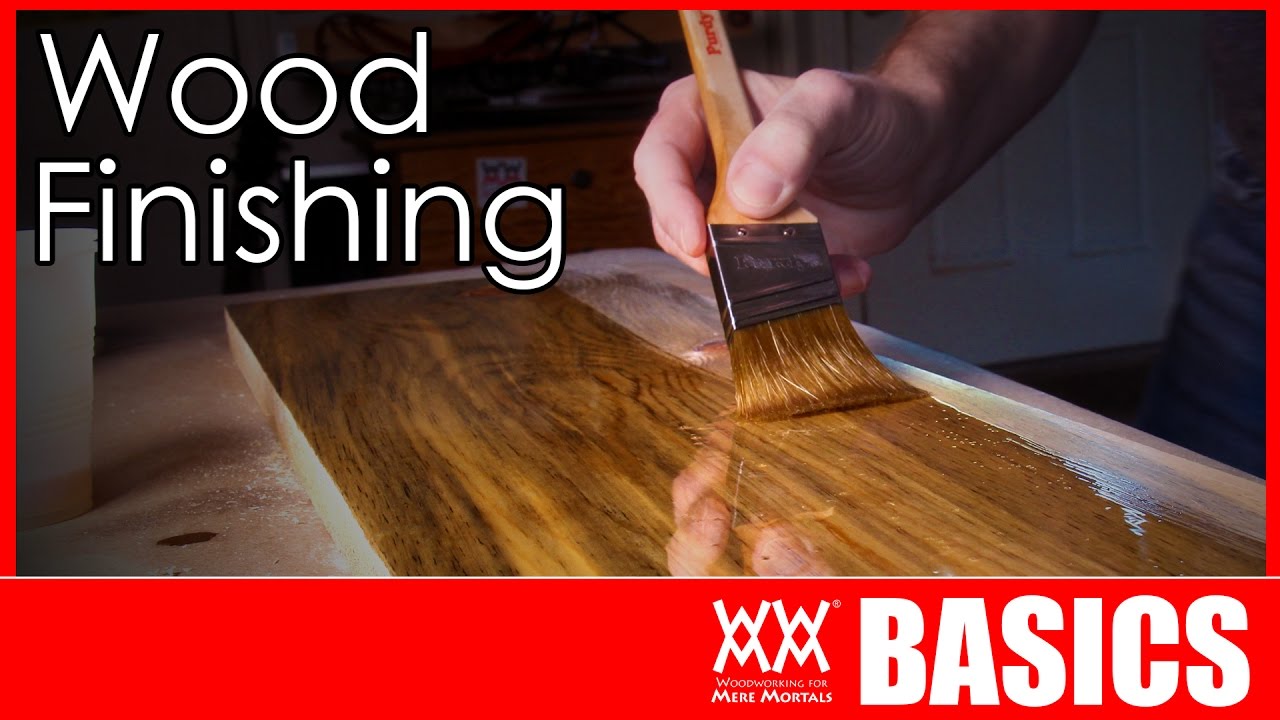
Bubbling Puddling And Running Are Common Problems 90 Of Users Apply Polyurethane Incor Easy Woodworking Projects Woodworking Projects Diy Woodworking Basics

Pin On Videos

First Step Prep Old Wallpaper Prepping Biodegradable Products
How To Paint Stained Wood From Five Steps To Three Staining Wood Paint Stained Wood Wood

In Old Time Camps It Wasn T Polyurethane They Used No They Used Old Fashioned Shellac On The Walls I Sanded Mine Down And Door Handles Old Fashioned Wall

How To Spray Polyurethane Rather Than Brush Diy Tips Painterscare Com Video In 2021 Polyurethane Spray Paint Sprayer

How To Apply Polycrylic No Streaks Or Brush Strokes Saws On Skates How To Apply How To Apply Polyurethane Staining Wood

A Foolproof Way To Avoid Tricky Sanding Salvaged Inspirations Painted Furniture Furniture Diy Refinishing Furniture

Pin On Szafki Kuchenne
